
Is your mouth trying to tell you something? Most of us in Kenya focus on keeping our teeth white and cavity-free; that’s fair, but here is the truth nobody talks about enough: your gums are just as important as your teeth. In fact, they may matter even more.
Gum disease — medically known as periodontal disease — is one of the most common yet most ignored dental conditions in Africa. According to the World Health Organisation (WHO), severe periodontal disease affects nearly 19% of the global adult population, translating to over 1 billion people worldwide. Closer home, studies published in the East African Medical Journal have consistently found high rates of gum disease among Kenyan adults, often linked to irregular dental visits and low awareness.
The scary part? Gum disease rarely hurts, at first. It creeps up quietly until the damage is already done. But the good news is that your body always sends subtle warning signs before things get serious. You just need to know what to look for.
Here are 5 signs your gums need professional dental attention and what they could mean for your overall health.
1. Swollen, red, or sore gums
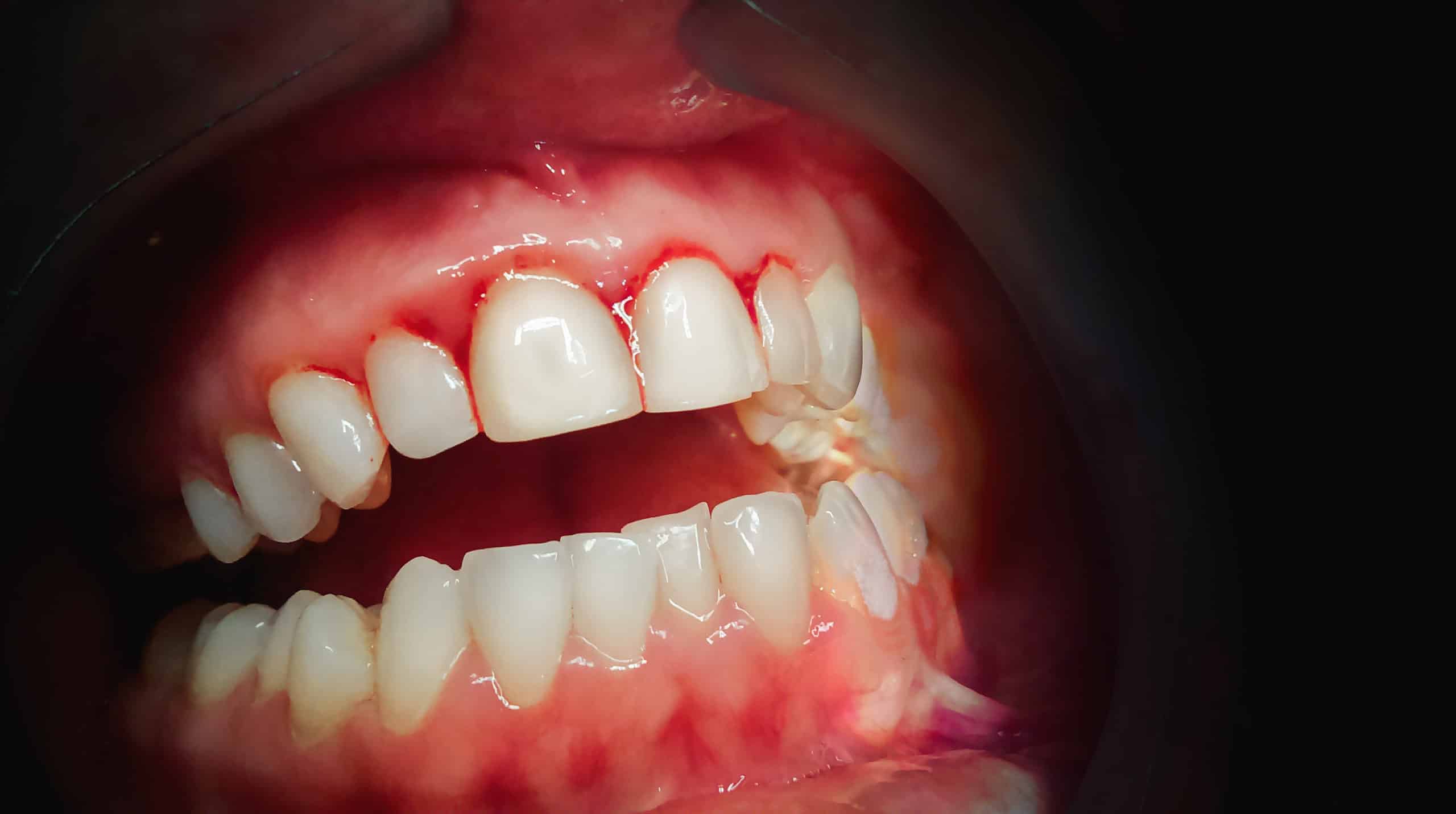
Healthy gums should look pale pink and feel firm. If yours look puffy, feel tender when you run your tongue over them, or have shifted from pink to a deeper red or purplish shade, that is not normal, and it is not something to sleep on.
This is usually the first stage of gum disease, called gingivitis. It happens when plaque — that sticky film of bacteria builds up along your gum line and triggers an inflammatory response. Your body is essentially fighting a low-grade infection in your mouth.
Why it matters beyond your mouth
Research published in the Journal of Periodontology has linked chronic gum inflammation to systemic conditions, including heart disease, diabetes, and stroke. When you have persistent gum inflammation, bacteria can enter your bloodstream and affect other organs. This is not an exaggeration; it is well-documented science.
What to do
If your gums have been red or swollen for more than two weeks, book a dental appointment. Gingivitis is completely reversible at this stage with a professional cleaning and proper home care.
2. Bleeding when you brush or floss
A lot of people see blood in the sink after brushing and convince themselves it is “normal” or that they are just brushing too hard. Let us be honest for a second, bleeding gums are never normal.
Imagine if your hands bled every time you washed them. You would not ignore that, would you?
Bleeding on brushing or flossing is a classic sign of gingivitis or more advanced periodontitis. It means your gum tissue is inflamed and fragile. Healthy gum tissue does not bleed from gentle mechanical contact.
A common Kenyan reality
Some patients tell us they avoid flossing because it makes their gums bleed. But here is the irony: the bleeding is due to not flossing regularly enough. When plaque sits undisturbed between teeth, it causes inflammation. The answer is not to floss less but to floss consistently and visit your dentist.
What to do
Do not stop brushing or flossing. Instead, book a dental visit so we can assess the extent of the inflammation, remove built-up tartar, and establish a proper care routine for you.
3. Gums pulling away from your teeth (gum recession)
Look at your teeth in the mirror. Do they look longer than they used to? Are there parts of the tooth root you can now see that were not visible before? That is called gum recession, and it is a significant warning sign.
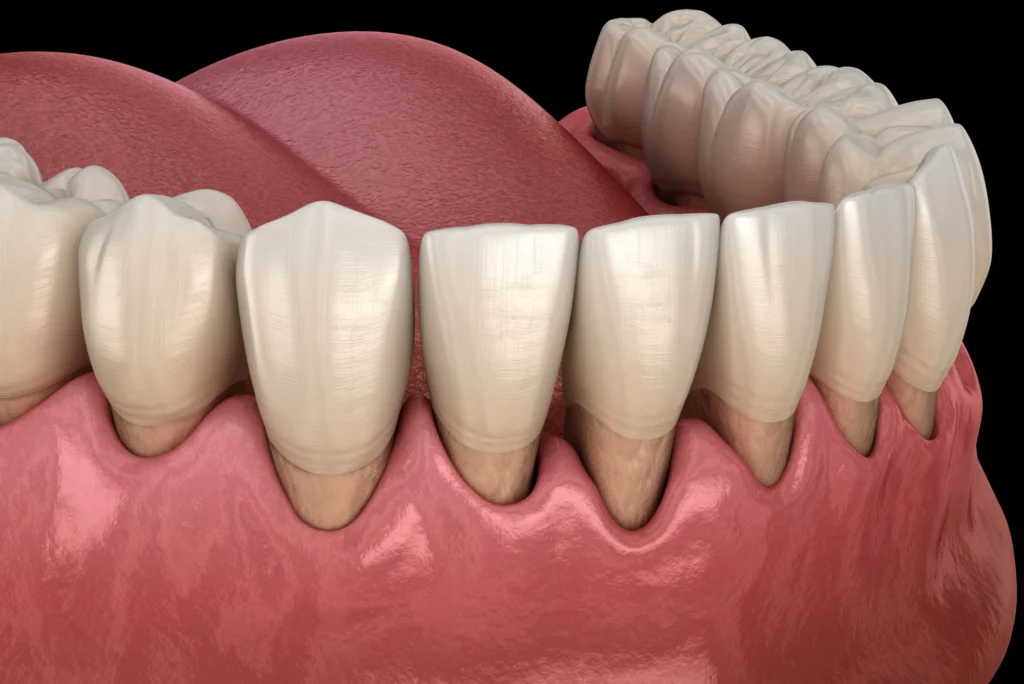
When gums pull away from teeth, they create pockets, that is, small gaps between the tooth and gum where bacteria thrive. These pockets deepen over time, destroying the bone and tissue that hold your teeth in place.
The sensitivity connection
Exposed tooth roots have no enamel protection, which is why many people with receding gums experience sudden sensitivity to cold drinks, ice cream, or hot tea, something many Kenyans dismiss as just “sensitive teeth.” It could actually be a sign of advancing gum disease.
According to the American Academy of Periodontology, gum recession affects up to 88% of adults over age 65, but it can start as early as your 30s or even younger, especially with aggressive (improper) brushing or untreated gum disease.
What to do
Gum recession cannot be reversed, but it can be stopped. Depending on how advanced it is, treatment may range from a deep clean to more specialised procedures. Early intervention saves both your teeth and your costs.
4. Loose adult teeth
Your adult teeth are meant to be permanent. They are anchored into your jaw by a complex system of bone, ligaments, and gum tissue. If a permanent tooth feels wobbly or has shifted position, that is a dental emergency, not something to delay acting on.
Loose teeth are a sign that the bone and tissue supporting them have been significantly damaged, usually by advanced periodontitis. By this stage, the disease has moved beyond the gums and is actively destroying the jawbone underneath.
The reality of tooth loss in Kenya
Tooth loss in adults is disproportionately common in low-to-middle income settings due to delayed dental care. The tragedy is that most tooth loss from gum disease is entirely preventable when caught early. Once teeth are lost, the costs of replacement using implants, bridges, or dentures are significantly higher than the cost of early treatment would have been.
What to do
If you notice any tooth mobility, book an urgent appointment. Time is a critical factor here. The sooner we see you, the more options we have to save the affected teeth.
5. Persistent bad breath or a strange taste in your mouth
Everyone has morning breath. That is normal. It is just bacteria that built up overnight. But if you find yourself using mints constantly throughout the day, if people subtly lean away when you talk, or if you wake up with an unpleasant taste that does not clear after brushing, your mouth is communicating something important.
Chronic bad breath, medically called halitosis, is one of the most emotionally distressing symptoms people silently carry. In our experience at Lake Dental Clinic, many patients have been living with unexplained bad breath for years, too embarrassed to mention it.
The link to gum disease is direct: infected gum pockets harbour anaerobic bacteria that release volatile sulphur compounds (VSCs), the chemical culprits behind that characteristic foul odour. No amount of mouthwash will fix an underlying infection.
Beyond gum disease
Persistent bad breath can also signal dry mouth, tooth decay, or, less commonly, digestive or respiratory issues. A proper dental assessment is the only way to identify the true cause.
What to do
Talk to us. There is no shame in it. Halitosis is a medical symptom, not a hygiene failure. Most cases are entirely treatable once the root cause is identified.
Read Also: Bad breath: Understanding and overcoming the silent social barrier
What needs to change
We understand the reality. Between school fees, rent, groceries, and daily hustle, a dental appointment can feel like a luxury. Many Kenyans only visit the dentist when there is active pain, and by then, the more affordable, simpler treatments are off the table.
But here is a perspective shift worth holding onto: preventive dental care is the cheapest dental care. A professional cleaning (scaling and polishing) that prevents gum disease costs a fraction of what tooth replacement or bone grafting costs later.
Your oral health is also directly connected to your overall health. Studies have established links between untreated periodontal disease and:
- Type 2 diabetes (gum disease makes blood sugar harder to control)
- Cardiovascular disease (oral bacteria can contribute to arterial inflammation)
- Adverse pregnancy outcomes (preterm birth, low birth weight)
- Respiratory infections (bacteria aspirated from the mouth into the lungs)
Remember, your mouth is not separate from your body. Taking care of it is taking care of your overall well-being.
Read Also: Preventive dental care; how to prevent onset of dental problems
What to expect at Lake Dental Clinic
When you walk through our doors, whether in Nairobi or Kisumu, you will not be judged for how long it has been since your last visit. What you will find is a team that genuinely cares about your comfort, your questions, and your long-term outcomes.
For gum concerns, we typically begin with a comprehensive periodontal assessment to check pocket depths, bone levels, and the current state of your gum tissue. From there, we create a treatment plan that is honest, reasonably priced, and tailored to where you are right now.



My appointment went well
Would mostly recommend the place,





Only consider revising your charges that are slightly above the market prices


Our company was approached by the clinic’s consultant with many promises, including a 10% discount if we visited within 10 days and the assurance that “empathy meets expertise.” Unfortunately, my experience reflected the opposite.
I visited the clinic for a simple filling, yet the outcome was painful and distressing. By 1 a.m., I was unable to sleep due to severe pain on one side of my face. I received no pain medication, no follow-up communication, and not even a receipt after my visit. Attempts to reach the receptionist afterward went unanswered.
Additionally, the promised corporate discount was not applied, and the consultant who coordinated everything was unreachable once the appointment was confirmed. This lack of follow-through left a very poor impression.
When I arrived, I was mistakenly called Margaret instead of Caroline, and it became clear that no one had been briefed about my case. I had to explain everything repeatedly, which added to the frustration and showed a lack of internal communication.
The clinician who attended to me did her best, but the overall experience was unacceptable. I was informed that the filling placed was temporary and that I would need to return in a month for a permanent one, something that had not been communicated beforehand. After paying 9,000 KES for one filling, the material is already wearing off, meaning I may need to pay again to correct an issue that should have been resolved the first time.
In the end, I had to purchase my own medication because I could tell something was wrong as soon as the numbness wore off.
This experience left me feeling disappointed, frustrated, and let down after placing trust in this facility. I hope this feedback encourages the clinic to review its processes, communication, and after-care standards.

. .let's talk of dentist, she is excellent . She took the time to explain every procedure she was doing. For example, when my mom's teeth removal and replacement, . The Dr .was very supportive, and thorough when explaining the process. (Am happy my mom can smile again)She is a professional and has a naturally lovely personality. I would recommend Lake dental clinic to everyone. They have the best dentist !


Our gum health services include:
- Professional scaling and polishing (removing tartar and plaque build-up)
- Deep cleaning (root planing) for more advanced disease
- Gum disease management and monitoring
- Expert-guided patient education on home care techniques that actually work for your lifestyle
So, if you noticed yourself nodding at any of the 5 signs above: swollen gums, bleeding, recession, loose teeth, or persistent bad breath, please do not sit on it. These symptoms do not resolve on their own. They either stay the same or they get worse.
The best time to see a dentist about your gums was the moment you first noticed something was off. The second-best time is today.
Caution: This article is for educational purposes and does not substitute professional dental advice. Please consult our board-certified dentists for a personalised diagnosis and treatment.
Leave a Reply